ForcesWatch challenges the ethics of military recruitment and questions the climate of uncritical national pride in the armed forces

ForcesWatch comment

02/05/2012

The deaths of 6 soldiers recently in one incident was particularly tragic because of how young some of them were. Four of the six who died were under 21 years old; one was only 19.

24/04/2012

On the 9 April 2012 the UK group of Veterans for Peace was launched. The movement has been long established in the US – ‘exposing the true costs of war and militarism since 1985’.

20/04/2012

Poetry about war is perhaps the most immediate way of understanding what it is to be involved, or caught up in, conflict.

The War Poetry website is a great resource, listing famous poets from the first world war alongisde little known contemporary poets with much to say about modern warfare. Most of the poems on the site are written by people who have expereienced conflict, many from Iraq, Afghanistan and the Falklands war.

Below is a favourite by Danny Martin. 

10/01/2012

Michael Gove is again talking about extending the cadet forces within schools, this time with the support from the Schools Commissioner (and a senior advisor to the Education Secretary)....Why is the military considered uniquely able to develop a ‘spirit of service’ or promote a disciplined approach? Why does the Schools Commissioner regard Cadet forces amongst a small handful of activities that are seen as broadening the curriculum and offering more opportunity with state schools? Who is being served by children in schools doing drill in the school playground or taking part in adventure activities?

our projects

The armed forces visit a significant proportion of schools in the UK each year. They offer school presentation teams, youth teams and 'careers advisors' and lessons plans. The Government is suggesting the expansion of cadet forces within state schools to encourage the military 'spirit' and that soldiers assist teachers by mentoring youngsters in schools. Should the armed forces by given access to children within schools and colleges? Why is the fostering of a military 'spirit' assumed to be positive?

Are you a teacher, parent or school/college student? Please help us by completing a survey on your experience of military activities in education

ForcesWatch are conducting 2 online surveys about armed forces activities in schools and colleges. Information from these surveys will provide vital detail that will inform our campaign.

If you are a teacher or other member of staff in a school or college, go here

If you are a parent or school/college student, go here

Please take a few minutes to take part. Any information you can provide will be useful and your responses will be treated with complete confidentiality.

Many thanks for your help!

See more details

Every 5 years Parliament passes an Armed Forces Act which provides the basis for military law in the UK. ForcesWatch has been working with others to raise concerns, including the recruitment of 16 and 17 year olds into the armed forces and the lack of discharge rights to all under 18 year olds, the lack of recognition of conscientious objection, restrictive and unclear terms of service and lack of political rights.

CAMPAIGN UPDATE: In June 2011, the government announced that it would give teenage soldiers the right to leave the armed forces up until age 18 if they are unhappy. This is a significant improvement Legislation came into force in July.  Additionally, the legislation allows for a possible reduction in the notice period of 12 months for those aged over 18. Read more here.

your questions

whats the problem with military recruitment?

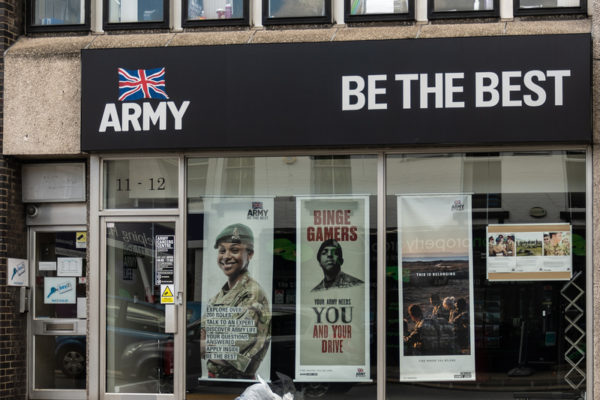
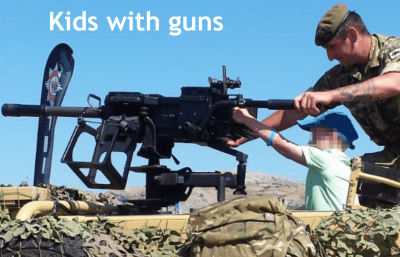
ForcesWatch believes that armed forces recruitment practices in the UK are largely unethical. The military are reaching out to children and young people using sophisticated strategies to interest and involve them in military activities which do not deal adequately with the risks of an armed forces career but tend to glamorise and sanitise war. The military also fail to adequately inform young people of the legal obligations of an armed forces career.

See here for more.

what are your other concerns?

Taking an active part in conflict involves serious ethical questions regarding the justification of killing and the political purposes of military action. The armed forces fail to adequately address these concerns during recruitment and for serving personnel.

The more government and national initiatives which are created to show support for the armed forces, the more difficult it will become for individuals and society to reflect on the ethics of conflict and peaceful alternatives. See here for more

what should I think about before I join up?

There are ethical questions and questions about why you really want to join up and about what risks you face and what happens if you decide you want to leave. There are some very useful independent sources of advice about your legal situation as a member of the armed forces and other issues. We also have a selection of materials looking at some aspects of what it is like to serve. See here for more.

what can I do about military recruitment activity in my school or community?

The military make visits to many schools and colleges and are also active at local events. If you are unhappy about the presence of the military in your community, here are some ideas of how to address it and some materials to use. See here for more.

what have other people said about their experiences?

Very often the most useful insights into what it is like to be involved in anything is to hear directly from other people about what they have experienced. Here are some accounts of both what it is like to serve in the armed forces and what it is like to challenge the presence of the military in a community. See here for more.

how do you respond to those who don't agree with you?

We don't expect everyone to agree with us but we think there is significant cause for concern about military recruitment practices and about the way that a climate of uncritical national pride in the armed forces is being fostered which makes debate about the activities of the armed forces difficult to question. We think there should be more room for that debate. See more here.

support conscientious objectors

Conscientious objector, Michael Lyons has been released (9 Nov 2011). Michael, a medic in the Royal Navy, was sentenced to 7 months detention on 5 July 2011, for 'wilful disobedience' for not taking part in rifle training while his request for discharge as a conscientious objector was proceding. Read more here.

Read more about Michael's case and our work to get more recognition for the right of conscientious objection here.

Subscribe to our mailing list

Stay in touch with ForcesWatch by subscribing to our announcement list.

Get in touch

We look forward to input from many different individuals and groups and welcome ideas, comments and suggestions. Please use the contact form to email us.

Support our work

You can make a donation to our work here or find out more about how you can help.

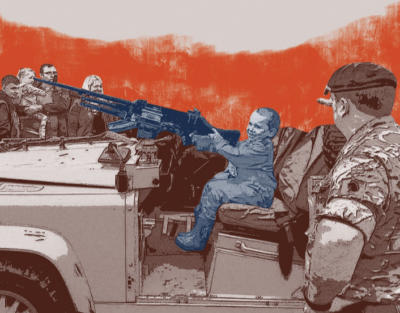
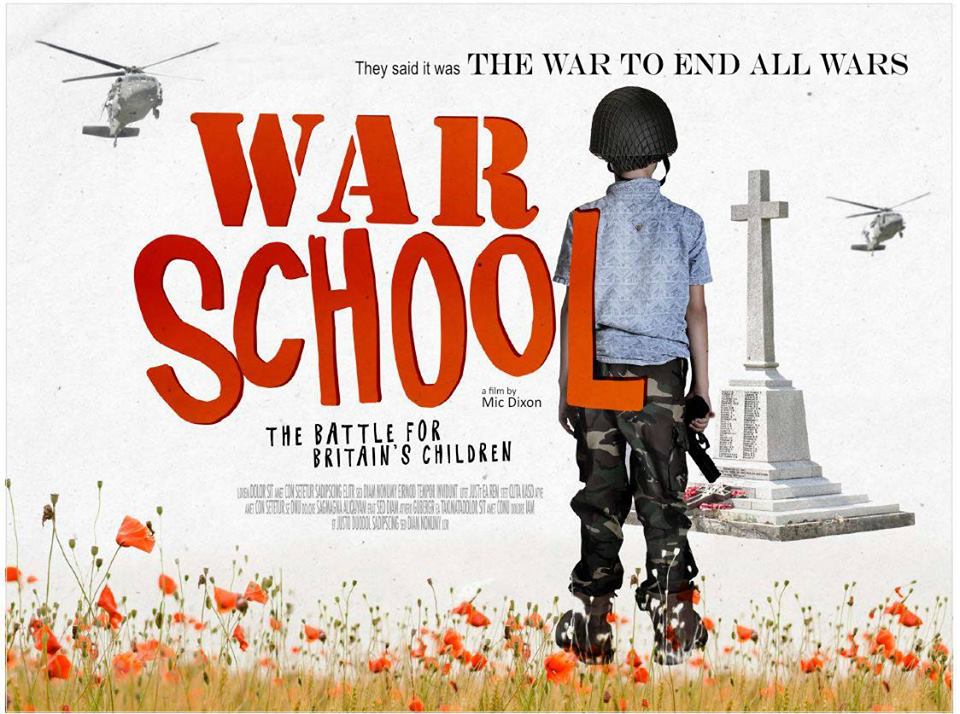
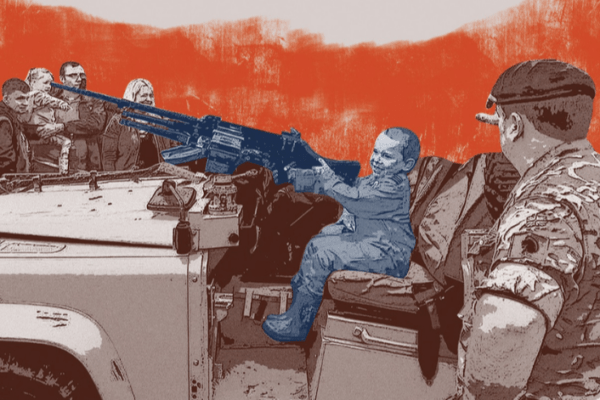
boy soldier art work

armed forces impact sheet

Veterans for Peace UK is a new organisation for veterans of the armed forces committed to opposing war through nonviolent means. Veterans for Peace UK are available to speak at schools and events.

Before You Sign Up

An installation of poppies in St Paul's Cathedral marks the continued involvement of children in war, despite its practice being declared illegal by the UN.

Countering the Militarisation of Youth conference, June 2012

An International Study Conference in Germany in June 2012 looking at nationalism and patriotism, the culture of militarism, military recruitment strategies, military masculinities and the military in public spaces and schools. See more

Speak to your MP and ask them to sign the Early Day Motion 781 on Under-18s in the Armed Forces urging the Government to raise the minimum age of recruitment to 18 years in line with recommendations of the UN Convention on the Rights of the Child.  See more

latest news

18/03/2012 The Guardian It's a shadowy and lucrative relationship. But just how close are video-game developers with various military outfits? And how does it affect the games we play?
12/03/2012 Reuters In the search for an explanation of why a U.S. soldier left his base in Afghanistan at night and killed 16 civilians in their homes, some experts have raised the possibility that mental illness or a brain injury played a role in the massacre.
12/03/2012 Huffington Post The U.S. soldier who allegedly attacked and killed 16 Afghan civilians Sunday may have experienced a relatively rare state of mental derangement characterized by a blind killing rage, a disregard of pain and danger, and a total disconnection from his fellow troops, military mental health specialists said.
26/01/2012 BBC The first UK school whose teachers have all served in the armed forces is actively recruiting prospective pupils with a view to opening in 2013.
09/01/2012 Press Association Military-style cadet forces could be introduced to all secondary schools in a Government bid to boost standards and discipline.
08/01/2012 The Telegraph All secondary schools should have a military cadet force in the drive to raise standards, according to a senior Government education official.
15/11/2011 the Telegraph Missiles could be fired in London to protect the Olympic Games from terrorist attack, Philip Hammond, the Defence Secretary, announced yesterday.

Twitter Updates